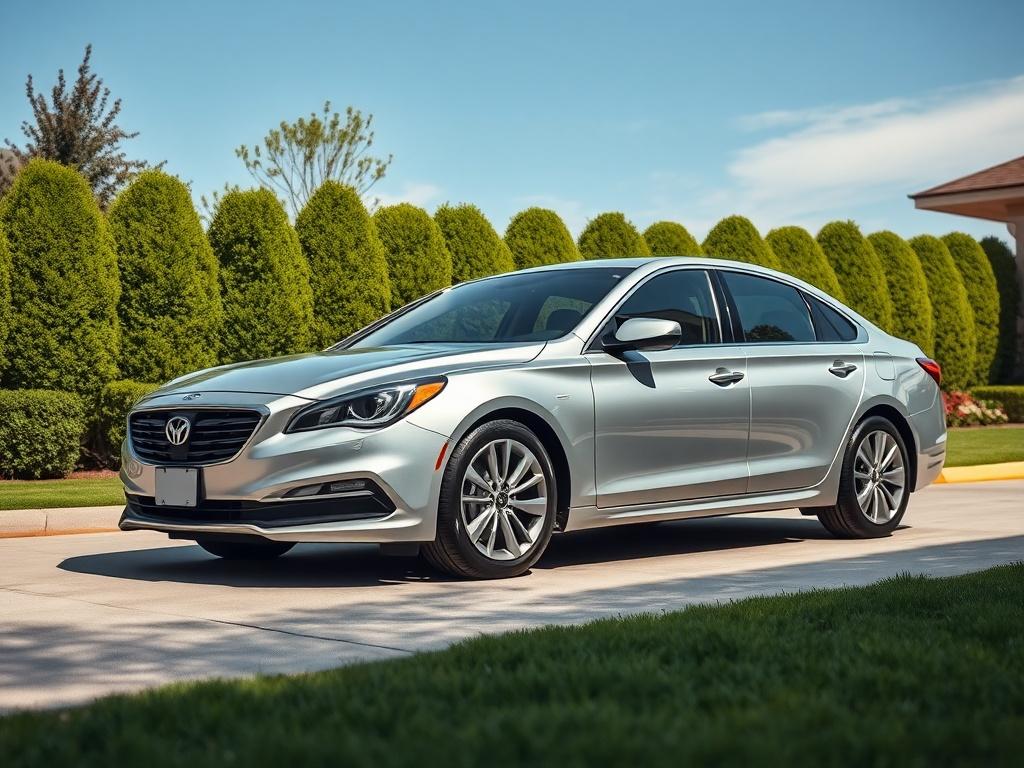
Managing the costs associated with vehicle ownership can often feel overwhelming, especially when it comes to maintenance. Many car owners wonder if their insurance will cover routine maintenance expenses or unexpected repairs. Understanding the nuances of your insurance policy is crucial for making informed decisions about your vehicle's upkeep. In this blog post, we'll explore the role of insurance in vehicle maintenance costs, clarify the different types of coverage available, and provide insights on generating a website that focuses on life and health insurance solutions—offering free consultations and comprehensive financial planning options.
As we dive deeper into the world of insurance, we will break down the various types of coverage that could potentially alleviate your vehicle-related expenses. From liability and collision coverage to comprehensive plans, knowing what is included in your policy is essential. Furthermore, we'll guide you through creating a specialized website that not only addresses life and health insurance options like term, whole life, and final expense plans, but also highlights essential resources like testimonials and contact sections. Whether you're looking to ensure your vehicle or seeking financial peace of mind through life insurance, understanding your options is the first step toward making informed decisions.
Understanding the role of insurance in vehicle maintenance costs
When it comes to vehicle ownership, it's important to understand that most car insurance policies do not cover routine maintenance. Insurance typically protects drivers against unforeseen incidents, such as accidents, theft, or natural disasters. Routine upkeep, such as oil changes, tire rotations, and brake replacements, falls under the owner's responsibility. This is a crucial aspect to consider when budgeting for vehicle expenses, as neglecting regular maintenance can lead to larger problems and more costly repairs over time.
Moreover, certain insurance policies can indirectly impact maintenance costs. For example, collision and comprehensive coverage can help you recover expenses related to damage caused by accidents, vandalism, or environmental factors. However, these policies do not extend to regular service checks or repairs, emphasizing the need for responsible car ownership and financial planning. Understanding this distinction can help you allocate your budget wisely, ensuring that you can cover all aspects of vehicle maintenance while also remaining protected from unexpected events.
Different types of insurance: What you need to know for your vehicle
When it comes to vehicle insurance, it's essential to understand the different types available to you. Liability insurance is a legal requirement in most states, protecting you against claims related to bodily injury or property damage if you're at fault in an accident. However, this type of insurance does not cover your vehicle's repair costs or maintenance. Collision and comprehensive coverage are additional options that can help cover your vehicle in various situations, including damage from accidents, theft, or natural disasters. These policies can be beneficial if you want to minimize out-of-pocket expenses for repairs, but they typically do not extend to routine maintenance like oil changes or tire rotations.
Understanding your insurance policy's details ensures you are prepared for potential costs. Full coverage insurance may offer more extensive protections, but it's crucial to read the fine print regarding exclusions and limitations. For instance, while your collision coverage may help with repair bills after an accident, it generally does not include regular servicing or preventive maintenance services that keep your vehicle running smoothly. Thus, knowing which types of coverage are necessary not only for emergencies but also for regular upkeep can save you money and stress in the long run.
How to generate a website focused on life and health insurance solutions
Creating a website that effectively showcases life and health insurance solutions requires a clear understanding of your target audience's needs. Start by selecting a user-friendly platform that allows for easy navigation and accessibility. Use eye-catching designs and informative content to attract visitors. Incorporate key elements such as free consultation options, detailed descriptions of various insurance types, and sections for testimonials to build trust. Make sure to include specific information about term life, whole life, final expense, universal life, index universal life, and ACA, so users can understand the advantages of each policy.
To optimize your website further, implement effective search engine optimization (SEO) strategies. Utilize keywords related to life and health insurance, like those mentioned in your request, to improve your search rankings. Create helpful blog posts, guides, and FAQs addressing common concerns about insurance, especially regarding financial planning and how these services can secure your future. Don't forget to include a contact section that encourages visitors to reach out for personalized assistance. This approach not only informs potential clients but also establishes your website as a reliable resource in the insurance industry.