Empowering your future & Protecting What Matters Most!
Your trusted insurance partner
Specializing in Home, Auto, Landlord, Umbrella, Private Collection (including jewelry and other valuables), Flood, Life, and Health Insurance, our agency is uniquely equipped to address a wide range of coverage needs. Licensed in multiple states and partnered with top-rated carriers, we have the resources and expertise to find the optimal policies for each client’s specific situation. Our approach focuses on securing comprehensive protection at the lowest possible rates, ensuring that clients never have to choose between affordability and quality coverage. By leveraging our relationships with leading insurers and understanding the nuances of various policy types, we streamline the insurance process while safeguarding what matters most to you. Trusting us with your insurance needs means gaining peace of mind—knowing that your assets are protected by tailored solutions designed just for you.
Andrew was able to help us save almost 25% with comparable coverage.
ROBERT FINIZIO, Pleo Pharma
Andrew was able to help us save almost 25% with comparable coverage. We have struggled with the annual premium increases / gouging for a few years and Andrew was quickly and efficiently able to find a better product and a significantly lower price point and we couldn’t be happier.
Andrew is an absolute rockstar!
JUAN ACEVEDO, One Sotheby's International
Andrew is an absolute rockstar! He's one of my most trusted insurance brokers that I send my clients to when they purchase homes. Keep up the great work and quotes! Thanks again!!
Andrew helped me navigate the complex world of life insurance with such ease. He provided me with a free consultation that clarified my options and helped me choose the best coverage for my family's needs. I truly appreciated his personalized service and knowledge, making what felt like an overwhelming process very straightforward. I now feel secure knowing my loved ones are protected, and I highly recommend AB4Insurance to anyone seeking reliable guidance in insurance planning.ndrew
I was unsure about health insurance options until I reached out to Andrew. The free consultation was invaluable, providing me with clear insights into the Affordable Care Act and the various plans available. Andrew was attentive and took the time to answer all my questions, ensuring I felt confident in my decision. His expertise in financial planning through health insurance has truly made a positive impact on my well-being and financial security.
Working with Andrew for my final expense insurance was one of the best decisions I've made. He offered a free consultation that was both informative and comforting, guiding me through the different types of policies available. He was was compassionate and understanding, which helped me choose a plan that fits my budget and needs. Now I have peace of mind knowing that my family won’t have to worry about financial burdens in the future. I can't thank them enough for their support and guidance!
Andrew made our transition to a new insurance policy seamless and stress-free. He not only secured significant savings for us but also provided a detailed side-by-side comparison of our old and new coverages. This thorough approach ensured that our savings didn't come at the expense of essential protections. I truly appreciated his transparency and dedication to finding the best fit for our needs.
Andrew has been incredibly helpful in finding us the best insurance deal. His communication is prompt and clear, and his kindness made the entire process smooth and stress-free. We truly appreciate his dedication and highly recommend his services!
Andrew did an awesome job! He's always helpful and on top of everything. A great guy to work with and someone you can rely on. Thank you!
Andrew is great! Known him for a year or so now and he's thorough, honest, and can help with about any kind of coverage you need. couldn't recommend enough.
I have worked with Andrew on a few occasions. He is very knowledgeable and is always looking for ways to help. I highly recommend him for any of your insurance needs.
Andrew was able to help us save almost 25% with comparable coverage. We have struggled with the annual premium increases / gouging for a few years and Andrew was quickly and efficiently able to find a better product and a significantly lower price point and we couldn’t be happier.
Andrew is an absolute rockstar! He's one of my most trusted insurance brokers that I send my clients to when they purchase homes. Keep up the great work and quotes! Thanks again!!
Andrew is fantastic!!! Great service quick and honest! Glad I had him deal with my life insurance
Andrew was extremely knowledgeable, courteous and efficient. I highly recommend him!
Great service and very professional. Highly recommended.
Sorry, we were not able to submit the form. Please review the errors and try again.
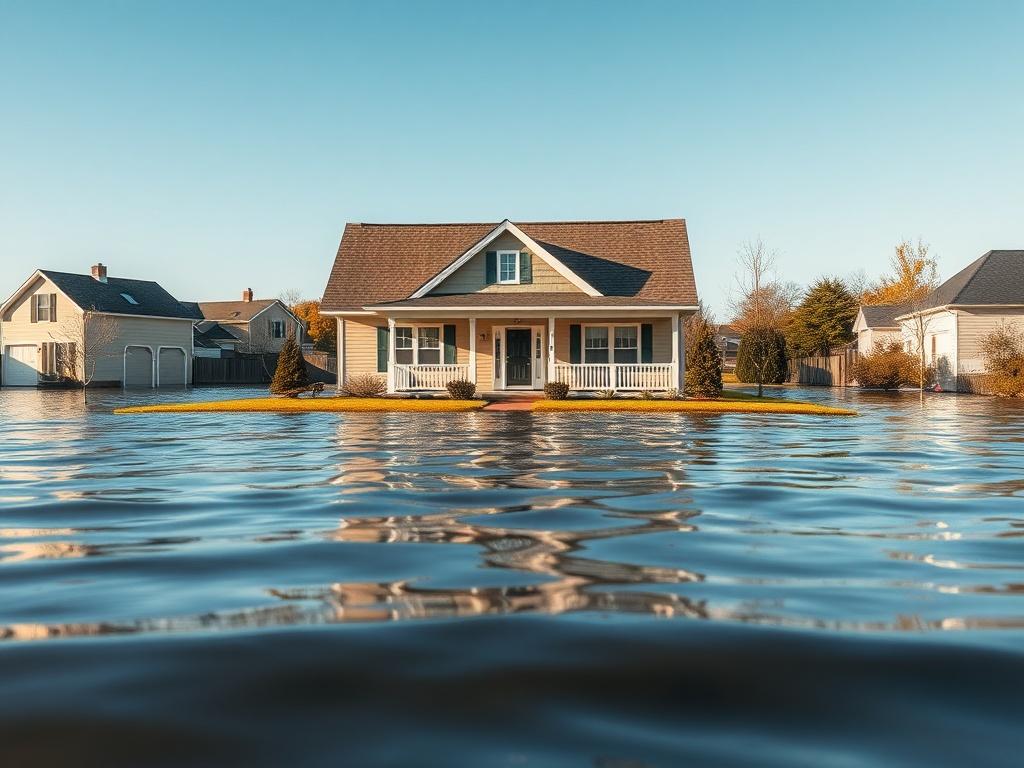
The importance of flood insurance: protect your home from water damage
January 8, 2026at10:56 PM
by
When it comes to protecting your home, understanding the risks of water damage is paramount. Many homeowners underestimate the threat of flooding, believing their standard homeowners insurance will suffice. However, this misconception can lead to devastating financial consequences. Discover why flood insurance is essential for safeguarding your property and financial health. With extreme weather events on the rise, securing the right coverage is more critical than ever.
Flood insurance not only protects your home from the immediate threat of water damage but also shields your financial future from potential catastrophes. Whether you live in a flood-prone area or simply want to ensure peace of mind, having the right flood coverage can make all the difference. In this blog post, we'll explore the importance of flood insurance, the financial impact of water damage, and how to select the right policy to secure your assets and protect your investments.
Understanding the risks: Why flood insurance is crucial for your home
Flooding can strike unexpectedly, leaving homeowners vulnerable to extensive damage. Unlike standard homeowners' insurance, which often excludes flood-related incidents, flood insurance specifically covers water damage caused by flooding. Many homeowners underestimate their risk, assuming they live in a safe area. However, rising sea levels, heavy rainfall, and even local construction can change flood zones dramatically, making it essential to assess your unique situation. Understanding these risks empowers you to take proactive steps in safeguarding your home and investment.
Floods can occur in various forms, from flash floods to overflow from rivers, and they can happen anywhere, regardless of historical patterns. The Federal Emergency Management Agency (FEMA) reports that one inch of water can cause up to $25,000 in damage. This staggering statistic highlights the importance of flood insurance as not just a precaution, but a necessity. By recognizing the threats posed by flooding and securing appropriate coverage, homeowners can protect themselves against significant financial loss and emotional distress when disaster strikes.
The financial impact of water damage: Protecting your assets with flood coverage
Water damage can lead to devastating financial consequences for homeowners. Traditional home insurance policies often exclude flood damage, leaving many without vital protection during a disaster. The cost of repairing water damage can skyrocket, affecting not just the structure of your home but also personal belongings, appliances, and important documents. Without flood insurance, you risk footing the entire bill for repairs out of pocket, which can strain your finances and even lead to debt. By securing flood coverage, you can mitigate these risks and safeguard your assets.
Flood insurance serves as a safety net, providing peace of mind during unpredictable weather events. In regions prone to flooding, homeowners face higher stakes and potential losses. With flood insurance, you ensure that recovery is not an overwhelming financial burden. This coverage can help you restore your home and belongings quickly, allowing you to focus on rebuilding your life. Investing in flood insurance is not just about protecting your home; it’s about securing your financial health and ensuring that water damage does not disrupt your future.
How to choose the right flood insurance policy: A step towards securing your financial future
Choosing the right flood insurance policy requires careful consideration of various factors that align with your unique circumstances. Start by assessing your property's flood risk, which can be determined by checking local flood maps and consulting with your community's floodplain manager. This initial step helps you understand the level of coverage you may require. Next, compare different providers and their policies, focusing on coverage limits, deductibles, and exclusions. Each policy may offer various add-ons or optional coverages that can provide additional protections tailored to your specific needs, such as replacement cost coverage for personal belongings.
Once you gather all this information, take the time to read reviews and seek recommendations from homeowners in your area who have successfully navigated the flood insurance process. Ask about their claims experiences and how their policies performed during previous flooding events. By understanding the customer service, claims procedures, and reputation of different insurers, you can make an informed decision. Ultimately, investing time in choosing the right flood insurance policy not only offers peace of mind but also secures your financial future against the unforeseen impacts of water damage.
The rising cost of homeowners insurance: what can you do?
January 8, 2026at10:59 PM
by
Homeowners insurance is a crucial safeguard for protecting your property and financial well-being, but in recent years, many homeowners have noticed a troubling trend: rising premiums. As natural disasters become more frequent and rebuilding costs skyrocket, insurance companies are adjusting their rates to reflect these increased risks. Understanding the factors driving these premium increases is essential for homeowners looking to navigate this challenging landscape and find ways to manage their costs effectively.
In this blog post, we will explore the reasons behind increasing homeowners insurance premiums and share practical tips to help you navigate this evolving market. By arming yourself with knowledge, you can make informed decisions that not only protect your home but also keep your insurance costs manageable. Whether you're a new homeowner or a seasoned property owner, our strategies will empower you to maintain coverage without breaking the bank. Let’s delve into the factors at play and unravel effective approaches to securing your home while optimizing your insurance expenses.
Understanding the factors driving homeowners insurance premium increases
Homeowners insurance premiums are on the rise, driven by a variety of interconnected factors. One major influence is the increasing frequency and severity of natural disasters, such as hurricanes, wildfires, and floods. These catastrophic events lead to significant losses for insurance companies, prompting them to raise premiums in order to cover the growing costs. Additionally, inflation affects construction costs, meaning that should you need to rebuild your home after a disaster, the expenses are likely to be higher than ever. As a result, insurance providers adjust their rates to reflect these elevated rebuilding costs.
Another critical factor contributing to the surge in homeowners insurance premiums is the rising cost of materials and labor. As demand for construction and repair services increases, so do the prices of building materials and skilled labor. Furthermore, technological advancements, such as smart home security systems, may also raise insurance rates despite their potential to mitigate risk. Homeowners need to stay informed about these trends to understand why their premiums are climbing and what steps they can take to address rising costs effectively.
Practical strategies to lower your homeowners insurance costs
Homeowners can implement several practical strategies to lower their insurance premiums effectively. First, consider raising your deductible. A higher deductible means you pay more out of pocket during a claim, but it can significantly reduce your premium. Evaluate your insurance needs and decide on a deductible that balances affordability and risk. Additionally, bundling your homeowners insurance with other policies, such as auto or life insurance, often leads to significant discounts. Insurers frequently reward customers who choose multiple policies with reduced rates, making this an excellent way to save money.
Another effective way to lower premiums is to review and update your coverage regularly. Perform an inventory of your belongings and ensure you only insure the value you need. Over-insuring personal items or properties can unnecessarily inflate your premium. Look into installing safety features such as smoke detectors, burglar alarms, and security cameras. Many insurance companies offer discounts for homes equipped with these security measures. Finally, explore available discounts, such as those for being claims-free, being a loyal customer, or maintaining a good credit score, as these can greatly contribute to lowering your overall homeowners insurance costs.
Navigating the changing landscape of homeowners insurance: Tips for smart homeowners
As you navigate the evolving homeowners insurance market, staying informed about industry trends and local developments can empower you to make smarter decisions. Start by reviewing your policy annually to ensure it aligns with your current needs and replacement costs. Taking inventory of your home’s features and updating your coverage can help prevent overpaying for unnecessary protections. Additionally, monitoring disaster risk factors such as climate change and local crime rates can help you anticipate potential premium fluctuations and adjust your coverage accordingly.
Moreover, consider leveraging discounts that many insurance companies offer to proactive homeowners. Installing security systems, smoke detectors, and home monitoring services can significantly reduce your premiums. Engaging with multiple insurance providers and comparing quotes can also uncover competitive rates that fit your budget. Do not hesitate to consult with an insurance agent who can guide you through the intricacies of your policy and suggest tailored adjustments. By actively participating in your insurance planning, you can secure more favorable terms and effectively manage your homeowners insurance costs.
Subscribe to our newsletter
Let's keep in touch!
Stay updated on our news and events! Sign up to receive our newsletter.




















![image000000[1].jpg](https://cdn.b12.io/client_media/LOpfpgU3/571c66ef-c3da-11f0-ba92-0242ac110002-jpg-regular_image.jpeg)